Maximizing Dual Enrollment: 30 College Credits Before Freshman Year
Anúncios
Earning a full year of college credit while still in high school is one of the most effective ways to slash tuition costs and accelerate degree completion. Enrolling in a strategic Dual Enrollment pathway enables driven students to build transferable college credit before ever stepping foot on a university campus.
Taking higher-education coursework alongside secondary studies eliminates redundant requirements and builds true academic momentum. Transferrable concurrent credit allows motivated learners to enter university with sophomore standing, saving thousands in housing and tuition fees.
Navigating articulation agreements and balancing rigorous workloads ensures every completed class applies directly to a degree plan. Here is how high schoolers are maximizing concurrent coursework to secure up to 30 credits before freshman year.
The Rise of Dual Enrollment Pathways in High Schools
The landscape of higher education is undergoing a significant transformation, with an increasing number of high school students opting for dual enrollment programs. These initiatives allow ambitious learners to earn college credits while still attending high school, effectively getting a head start on their post-secondary education.
This trend is not merely about accelerating academic timelines; it's about strategic planning to alleviate the financial burden of college and enhance preparedness. By engaging in dual enrollment pathways, students are demonstrating an impressive capacity for advanced coursework and a proactive approach to their academic futures.
Anúncios
As educational institutions and policymakers recognize the immense benefits, efforts are underway to expand access and streamline these programs. The objective is to ensure more students can leverage these opportunities, particularly focusing on maximizing dual enrollment pathways to achieve substantial credit accumulation.
Understanding the Mechanics of Dual Enrollment
Dual enrollment, often referred to as concurrent enrollment, permits high school students to take college-level courses and receive both high school and college credit. These courses can be taught on high school campuses, college campuses, or online, providing flexibility for diverse student needs and schedules.
The core mechanism involves partnerships between local high schools and colleges or universities. These agreements outline which courses are eligible, how credits are awarded, and the specific criteria students must meet to participate, including academic prerequisites and application processes.
Successful navigation of these programs requires careful planning, often involving school counselors, parents, and college advisors. The goal is to select courses that align with a student's academic interests and future college major, ensuring the credits are transferable and genuinely contribute to their degree.
Strategies for Accumulating 30 College Credits Early
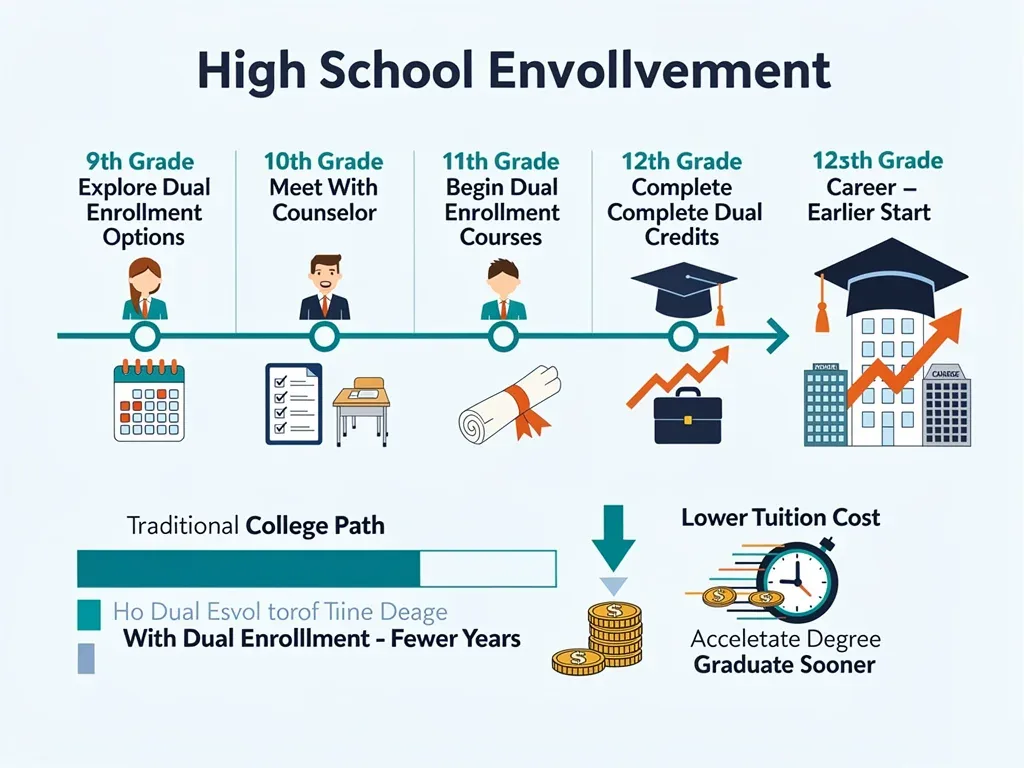
Achieving 30 college credits before freshman year is an ambitious but attainable goal through dedicated participation in dual enrollment. This typically translates to about 10 standard three-credit college courses, requiring consistent engagement throughout the high school years.
One primary strategy involves starting early, often in the sophomore or even freshman year of high school, with introductory college courses. Gradually increasing the course load as academic confidence and familiarity with college-level work grow is crucial for sustained success.
Another effective method is to combine dual enrollment with other credit-earning opportunities, such as Advanced Placement (AP) exams or International Baccalaureate (IB) programs. While distinct, these pathways collectively contribute to a significant head start on college credit accumulation, further maximizing dual enrollment pathways.
Anúncios
Leveraging Online and Summer Course Options
Online dual enrollment courses offer unparalleled flexibility, allowing students to integrate college coursework into busy high school schedules without physical travel. This is particularly beneficial for students in rural areas or those with extracurricular commitments.
Summer sessions at community colleges or universities present another excellent opportunity to earn credits without conflicting with the regular academic year. These intensive courses can help students accelerate their progress towards the 30-credit goal, efficiently using their break time.
Online platforms provide accessible college-level instruction.
Summer courses allow for concentrated credit accumulation.
Flexible scheduling supports extracurricular and personal commitments.
Expands course offerings beyond traditional high school curricula.
Financial Benefits and Cost Savings
The financial implications of maximizing dual enrollment pathways are profound, offering substantial savings on the rising costs of college tuition. Many dual enrollment programs are offered at a reduced rate, or even free, to high school students, especially through public community colleges.
By earning 30 credits, which often equates to a full year of college, students can potentially reduce their overall time in college and, consequently, their tuition expenses. This can translate to tens of thousands of dollars in savings, depending on the institution.
Furthermore, reducing the number of semesters needed for a bachelor's degree can also decrease associated costs such as housing, textbooks, and living expenses. This makes higher education more accessible and affordable for a wider range of students and families.
Academic Advantages and College Preparedness
Beyond financial benefits, dual enrollment provides invaluable academic advantages, significantly enhancing college preparedness. Students gain exposure to college-level rigor, expectations, and learning environments before officially enrolling as freshmen.
This early exposure helps students develop crucial study habits, time management skills, and critical thinking abilities essential for success in higher education. They also become familiar with college campus resources, such as libraries, tutoring centers, and academic advising.
Having college credits under their belt can also boost a student's confidence and academic resume, making them more attractive to competitive universities. It signals a readiness for advanced coursework and a commitment to academic excellence, further cementing the value of maximizing dual enrollment pathways.
Challenges and Considerations for Dual Enrollment
While the benefits are numerous, students and families must also consider potential challenges associated with dual enrollment. The increased academic workload can be demanding, requiring strong organizational skills and a genuine commitment to learning.
It is crucial to ensure that the college credits earned through dual enrollment will transfer to the student's intended four-year institution. Transferability policies vary widely between colleges, making early research and confirmation essential to avoid wasted effort.
Additionally, students must balance their college coursework with their high school responsibilities, extracurricular activities, and social life. Overcommitment can lead to burnout, so a realistic assessment of a student's capacity is vital for successful participation in these programs.
Impact on College Admissions and Scholarships
Participation in dual enrollment can significantly impact college admissions, often making an applicant stand out in a competitive pool. It demonstrates initiative, academic maturity, and a proven ability to handle college-level work, which are highly valued by admissions committees.
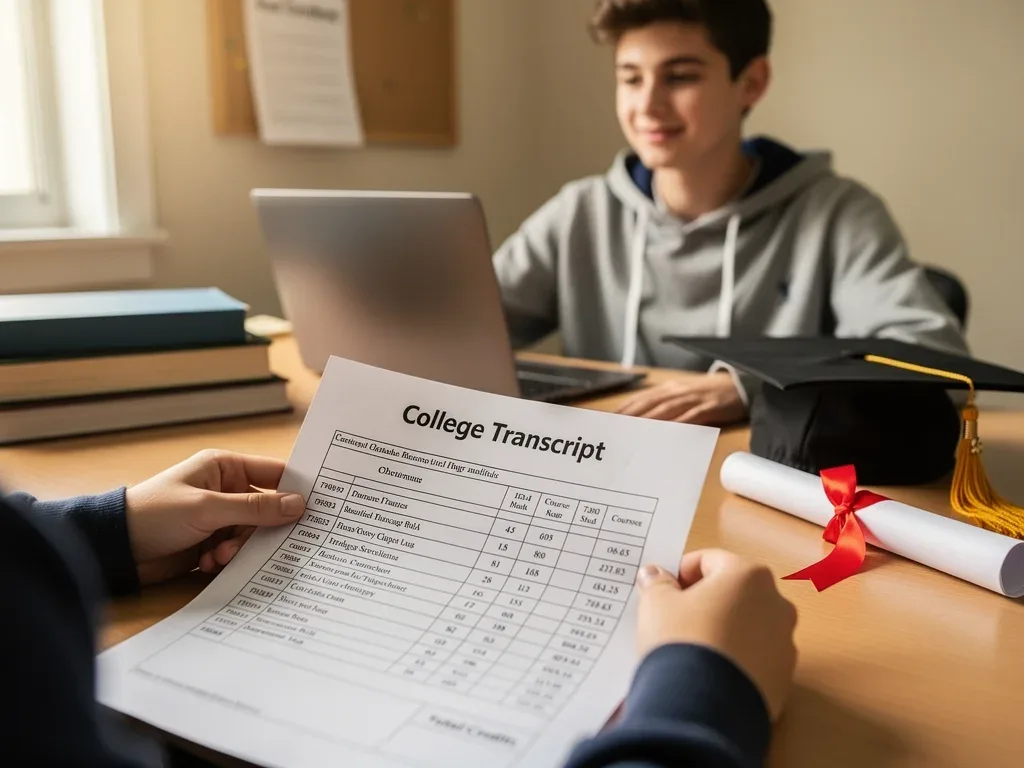
While earning credits, students also build a college transcript, which can provide an early indicator of their potential success in a university setting. This concrete evidence of academic performance can be more persuasive than just high school grades or standardized test scores.
Furthermore, having a substantial number of college credits can open doors to specific scholarships designed for students with advanced standing. These scholarships recognize early academic achievement and can further reduce the financial burden of higher education, amplifying the benefits of maximizing dual enrollment pathways.
Future Trends in Dual Enrollment Programs
The expansion and refinement of dual enrollment programs are expected to continue as educational institutions seek innovative ways to serve students. There is a growing emphasis on creating clearer pathways and ensuring credit transferability across state lines and different types of institutions.
Technological advancements will likely play a more significant role, with an increase in high-quality online dual enrollment offerings and virtual support systems. This will further enhance accessibility and flexibility for students, particularly those in underserved areas.
Policymakers are also exploring ways to integrate career and technical education (CTE) into dual enrollment, providing students with both academic credits and vocational skills. This holistic approach aims to prepare students not just for college, but also for immediate entry into the workforce, truly maximizing dual enrollment pathways.
Case Studies: Success Stories in Early College Credit
Numerous students across the United States have successfully leveraged dual enrollment programs to gain a significant advantage in their academic journeys. These success stories often highlight meticulous planning, strong academic support, and a clear vision for their future.
For instance, Sarah, a high school student from Arizona, completed 32 college credits through a partnership with her local community college. She entered her university as a sophomore, saving a year's worth of tuition and fees, and is on track to graduate early with a double major.
Another example is David, from Florida, who used dual enrollment to explore engineering courses while in high school. This not only earned him 28 credits but also solidified his decision to pursue an engineering degree, giving him a head start on specialized coursework. These examples underscore the effectiveness of maximizing dual enrollment pathways.
Key Benefit | Description |
|---|---|
Cost Savings | Significantly reduces overall college tuition and related expenses. |
Academic Advantage | Provides early exposure to college rigor, boosting preparedness. |
Accelerated Graduation | Allows students to complete their bachelor's degree in less time. |
Enhanced Admissions | Strengthens college applications and potential for scholarships. |
Frequently Asked Questions About Dual Enrollment
What exactly are dual enrollment pathways?▼
Dual enrollment pathways allow high school students to simultaneously earn high school and college credit by taking approved college-level courses. These programs are typically offered in partnership between high schools and local colleges or universities, providing a head start on higher education.
How many credits can students realistically earn before college?▼
Many ambitious students are successfully completing 30 college credits or more before their freshman year. This achievement often requires consistent participation from sophomore year onward, leveraging both regular academic terms and summer sessions to maximize their credit accumulation.
Are dual enrollment credits guaranteed to transfer to any university?▼
No, credit transferability varies significantly between institutions. It is crucial for students to research and confirm the transfer policies of their prospective colleges early on. Consulting with high school counselors and college admissions offices is highly recommended to ensure credits will be accepted.
What are the primary financial benefits of dual enrollment?▼
The main financial benefit is significant cost savings on college tuition, as many dual enrollment courses are offered at reduced rates or free. Earning 30 credits can effectively eliminate a full year of college expenses, reducing overall debt and making higher education more affordable.
How does dual enrollment prepare students for college?▼
Dual enrollment exposes students to college-level academics, teaching them essential study habits, critical thinking, and time management skills. It builds confidence, familiarity with college environments, and a stronger academic record, making the transition to university smoother and more successful.
Looking Ahead: The Evolving Landscape of Early College
The momentum behind maximizing dual enrollment pathways is undeniable, reflecting a broader shift in educational strategies aimed at efficiency and accessibility. As more high school students successfully complete substantial college credits, the traditional timeline for higher education continues to evolve.
This trend will likely push colleges and universities to further refine their articulation agreements and support services for these advanced students, ensuring a seamless transition and continued academic success.
The ongoing development of these programs promises a future where early college credit is not just an option, but a mainstream path for many.