FTC 1-Click Mandate: Subscription Cancellation Impact 2026
Anúncios
Ever tried to cancel a subscription and found it much harder than signing up? The FTC 1-Click Mandate debate highlights growing efforts to make cancellation processes simpler, clearer, and more accessible for consumers.
For subscription businesses, easier cancellation requirements could reshape everything from account settings to recurring billing practices. Companies must pay closer attention to how customers enroll in and leave paid services.
For consumers, the broader shift is about greater control over recurring charges and fewer unnecessary barriers. Understanding the FTC’s approach can help you see how subscription management and consumer protections may evolve.
FTC 1-Click Mandate: Understanding the New Rule’s Core
The Federal Trade Commission’s new regulation, officially termed the ‘Click to Cancel’ provision, is a direct response to widespread consumer complaints regarding difficult subscription cancellations.
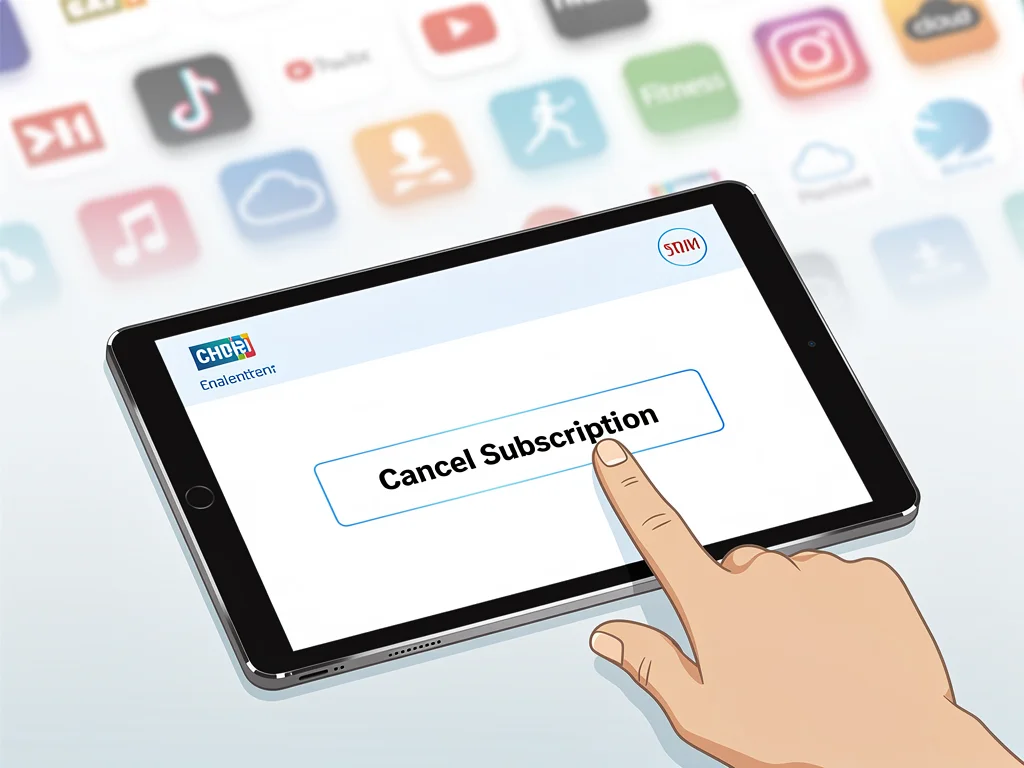
The rule mandates that if consumers can sign up for a subscription online, they must also be able to cancel it online, in a process that is equally simple and direct.
This initiative targets deceptive practices, such as requiring phone calls for online sign-ups, or presenting multiple, confusing steps to deter cancellations. The FTC emphasizes that the intent is to eliminate ‘dark patterns’ that exploit consumer inertia.
The FTC 1-Click Mandate is designed to restore balance in the consumer-business relationship, particularly concerning recurring charges.
Anúncios
The implications of this rule are far-reaching, affecting nearly every business with an online subscription model. It sets a new standard for transparency and fairness, compelling companies to prioritize user experience even at the point of exit.
This shift is expected to foster greater trust, though it presents immediate challenges for businesses needing to adapt their digital infrastructure.
Simplifying the Cancellation Journey
At its heart, the FTC 1-Click Mandate is about parity: the ease of subscribing should mirror the ease of unsubscribing. This means a clear, prominent, and easily accessible cancellation option must be available wherever the subscription was initiated, be it a website or a mobile application.
Companies will no longer be able to hide cancellation links deep within their sites or force consumers through unnecessary steps like surveys designed to dissuade them.
The mandate specifically prohibits tactics that add friction, such as requiring consumers to speak with a representative solely to cancel a service they joined online. The FTC 1-Click Mandate ensures a direct path.
This simplification is not merely a convenience; it’s a fundamental consumer right. It empowers individuals to manage their finances and subscriptions without undue burden, preventing unwanted charges and fostering a more equitable digital marketplace.
The rule’s clarity leaves little room for ambiguity, pushing businesses towards genuine compliance.
The FTC’s enforcement aims to curb predatory practices that have historically trapped consumers in unwanted subscriptions. By streamlining the cancellation process, the rule reduces the likelihood of consumers being charged for services they no longer wish to use.
This protects consumers from financial drain and contributes to a healthier, more transparent market environment.
The new rule also addresses the issue of negative option features, where consumers are automatically enrolled in subscriptions unless they actively opt out.
Under the FTC 1-Click Mandate, businesses must provide clear, prominent disclosures about such features and obtain explicit, affirmative consent before charging consumers. This prevents unintended enrollments and ensures consumers are fully aware of their commitments.
Anúncios
Furthermore, the rule requires businesses to send annual reminders to consumers about their subscriptions, detailing how to cancel. This proactive approach helps consumers stay informed about their recurring charges and provides regular opportunities to re-evaluate their needs.
This aspect of the FTC 1-Click Mandate is crucial for maintaining consumer awareness over time.
Impact on 80 Million Consumers: What to Expect by 2026
The projected impact of the FTC 1-Click Mandate on 80 million consumers by 2026 is substantial, ushering in an era of enhanced control over personal finances and digital subscriptions.
Consumers can anticipate a significant reduction in the time and effort traditionally required to cancel services, translating into tangible savings and reduced frustration.
This regulatory shift empowers consumers to make more informed decisions about their spending, knowing that they can easily opt out of services that no longer meet their needs or budget.
The ease of cancellation will likely encourage more cautious enrollment, as the fear of being trapped in a subscription diminishes. The FTC 1-Click Mandate fosters greater consumer confidence.
Moreover, the increased transparency and simplified processes mandated by the FTC 1-Click Mandate are expected to build greater trust between consumers and businesses.
When cancellation is straightforward, consumers are more likely to engage with subscription services knowing their autonomy is respected. This could lead to a more dynamic and competitive subscription market.
Empowering Consumer Choice and Financial Control
For millions, the new rule means an end to the “gym membership paradox” – where canceling a service is harder than signing up.
Consumers will gain immediate access to clear cancellation pathways, fostering a sense of control over their digital footprint and recurring expenditures. This newfound ease is a direct benefit of the FTC 1-Click Mandate.
The mandate addresses a critical pain point for consumers, many of whom have felt exploited by opaque cancellation policies.
By simplifying the process, the FTC is directly tackling practices that have led to unwitting financial drains and significant consumer dissatisfaction. This regulatory intervention is a win for consumer advocacy.
This enhanced control extends beyond mere convenience; it translates into real financial benefits. Consumers will be better equipped to manage their budgets, preventing charges for forgotten or unwanted subscriptions.
The FTC 1-Click Mandate thus serves as a powerful tool for financial literacy and responsible spending in the digital age.
- Reduced Financial Burden: Easier cancellations mean fewer unwanted charges and better budget management for households.
- Increased Transparency: Businesses must clearly disclose terms and cancellation methods, reducing hidden fees and frustrating processes.
- Greater Autonomy: Consumers gain more control over their subscription ecosystem, making choices without fear of entrapment.
- Time Savings: Less time spent navigating complex cancellation procedures, freeing up valuable personal time.
Challenges for Businesses: Adapting to the New Regulatory Landscape
While the FTC 1-Click Mandate is a boon for consumers, it presents significant challenges for businesses, particularly those with established subscription models.
Companies must undertake comprehensive reviews of their existing cancellation workflows, often requiring substantial technological and procedural adjustments to meet the new compliance standards by 2026.
Many businesses have historically relied on complex cancellation processes, sometimes inadvertently, to reduce churn. The new rule necessitates a paradigm shift, forcing companies to compete on product value and customer satisfaction rather than relying on friction to retain subscribers.
This demands a re-evaluation of customer retention strategies in light of the FTC 1-Click Mandate.
Compliance is not merely about adding a button; it involves integrating the “click to cancel” functionality seamlessly across all platforms where subscriptions are offered.
This includes websites, mobile apps, and potentially even third-party marketplaces. The technical implementation, coupled with legal reviews, represents a considerable undertaking for many organizations.
Operational Overhaul and Strategic Re-evaluation
Businesses will need to invest in their IT infrastructure to ensure a robust and compliant cancellation pathway. This could involve developing new user interfaces, updating backend systems, and training customer service teams on the new protocols.
The FTC 1-Click Mandate requires a holistic approach to operational changes, not just a superficial fix.
Beyond the technical aspects, companies must also re-evaluate their customer retention strategies. With cancellation becoming effortless, businesses will need to focus more intensely on delivering consistent value and exceptional customer service to keep subscribers engaged.
This could spur innovation in product development and loyalty programs, driven by the FTC 1-Click Mandate.
Legal teams will play a crucial role in ensuring that all terms of service, privacy policies, and marketing materials align with the new FTC guidelines.
Missteps could lead to significant penalties, emphasizing the importance of thorough compliance checks. The 2026 deadline might seem distant, but the groundwork for these changes must begin now.
The FTC 1-Click Mandate also pushes businesses to re-think their onboarding processes. If cancellation is easy, initial sign-ups need to be equally transparent about terms, pricing, and renewal policies.
This creates a virtuous cycle where clarity at the start is matched by simplicity at the end, fostering a more honest relationship with consumers.
Furthermore, businesses might see an initial uptick in cancellations as consumers take advantage of the newfound ease.
This temporary increase could pressure revenue streams, compelling companies to focus on customer experience and value proposition more than ever before. The long-term benefit, however, could be a more loyal customer base built on trust and satisfaction, a direct outcome of the FTC 1-Click Mandate.
The Regulatory Landscape: FTC’s Broader Consumer Protection Efforts
The FTC 1-Click Mandate is not an isolated incident but rather a significant piece of the Federal Trade Commission‘s broader strategy to enhance consumer protection in the digital age.
This rule aligns with ongoing efforts to combat deceptive practices, promote transparency, and empower consumers in an increasingly complex marketplace. It reinforces the FTC’s commitment to safeguarding consumer interests.
The Commission has consistently targeted “dark patterns” and other manipulative design choices that trick consumers into unwanted purchases or subscriptions.
This new rule specifically addresses one of the most prevalent forms of such deception: making it difficult to cancel. It builds upon previous enforcement actions and guidelines related to subscription services, strengthening the regulatory framework.
This proactive stance by the FTC reflects a growing recognition of the challenges consumers face in the digital economy.
As more aspects of daily life shift online, the need for clear, enforceable rules to protect consumers from exploitation becomes paramount. The FTC 1-Click Mandate is a testament to this evolving regulatory focus and its importance.
A History of Battling Deceptive Practices
The FTC has a long history of protecting consumers from unfair and deceptive acts or practices, and the FTC 1-Click Mandate is a modern extension of this mission.
From telemarketing scams to false advertising, the agency has adapted its enforcement to new technologies and business models. This latest rule is a crucial step in regulating the burgeoning subscription economy.
Previous actions by the FTC have set precedents for consumer consent and disclosure, which are now being codified and strengthened with this new mandate.
The agency’s commitment to ensuring that consumers have clear, actionable choices is unwavering, and the 1-Click Mandate is poised to be a landmark achievement in this regard. It reflects a culmination of years of observation and enforcement.
This rule also sends a clear message to businesses: prioritize consumer well-being and ethical practices, or face regulatory consequences.
It encourages a shift towards business models that thrive on genuine customer satisfaction rather than reliance on manipulative tactics. The FTC 1-Click Mandate is a pivotal moment for digital consumer rights.
The FTC’s authority stems from Section 5 of the FTC Act, which prohibits unfair methods of competition and unfair or deceptive acts or practices in commerce.
This broad mandate allows the agency to address emerging consumer harms, such as those arising from complex subscription models. The FTC 1-Click Mandate is a direct application of this power to a pressing modern issue.
Beyond enforcement, the FTC also plays a vital role in educating consumers and businesses about their rights and responsibilities.
By issuing clear rules like the 1-Click Mandate, the agency provides guidance that helps companies comply and empowers consumers to recognize and report violations. This dual approach of enforcement and education is crucial for effective regulation.
Preparing for 2026: A Timeline for Businesses and Consumers
The 2026 deadline for the FTC 1-Click Mandate provides a clear timeline for both businesses and consumers to prepare for the upcoming changes.
For companies, this period is critical for implementing the necessary technical and procedural adjustments, while consumers can begin to anticipate a more user-friendly environment for managing their subscriptions. Strategic planning is key for compliance.
Businesses should initiate audits of their current subscription and cancellation processes immediately, identifying areas that require modification to align with the new rule.
This includes assessing website design, app functionality, and customer service protocols. Engaging legal counsel early in this process is advisable to ensure full compliance with the FTC 1-Click Mandate.
Consumers, on the other hand, should stay informed about the rule’s specifics and understand their enhanced rights.
While the full impact won’t be felt until 2026, awareness now can help them identify compliant businesses and advocate for their rights if necessary. The lead-up to the effective date offers an opportunity for both sides to adapt effectively.
Key Milestones and Implementation Strategies
The period leading up to 2026 will involve several key milestones for businesses. These include internal assessments, development of new cancellation interfaces, thorough testing, and staff training.
Companies must ensure that their systems are not only compliant but also provide a smooth and intuitive experience for users, reflecting the spirit of the FTC 1-Click Mandate.
Many businesses may opt for phased implementation, starting with their most popular subscription services and gradually extending the changes across their entire portfolio. This approach allows for learning and refinement, minimizing disruption while ensuring eventual compliance.
Collaborating with industry groups and legal experts can provide valuable insights during this transition.
For consumers, the main milestone will be the effective date in 2026, when the full force of the FTC 1-Click Mandate comes into play.
Until then, vigilance and awareness of existing cancellation policies remain important. The transition period is an opportunity for consumers to observe how businesses adapt and to provide feedback where possible.
- Business Audit (Ongoing): Companies should review current subscription and cancellation flows against new FTC requirements.
- System Development (2024-2025): Investment in new technical solutions for 1-Click cancellation features.
- Staff Training (2025): Educating customer service and marketing teams on the updated policies and procedures.
- Full Compliance (2026): All businesses must meet the FTC 1-Click Mandate requirements by the effective date.
The FTC is expected to provide further guidance and clarifications as the implementation date approaches, offering additional support for businesses navigating these changes.
Staying abreast of these updates will be crucial for both compliance and effective consumer engagement. This ongoing dialogue between regulators and the industry is vital for a smooth transition under the FTC 1-Click Mandate.
Future of the Subscription Economy: Beyond the 1-Click Mandate
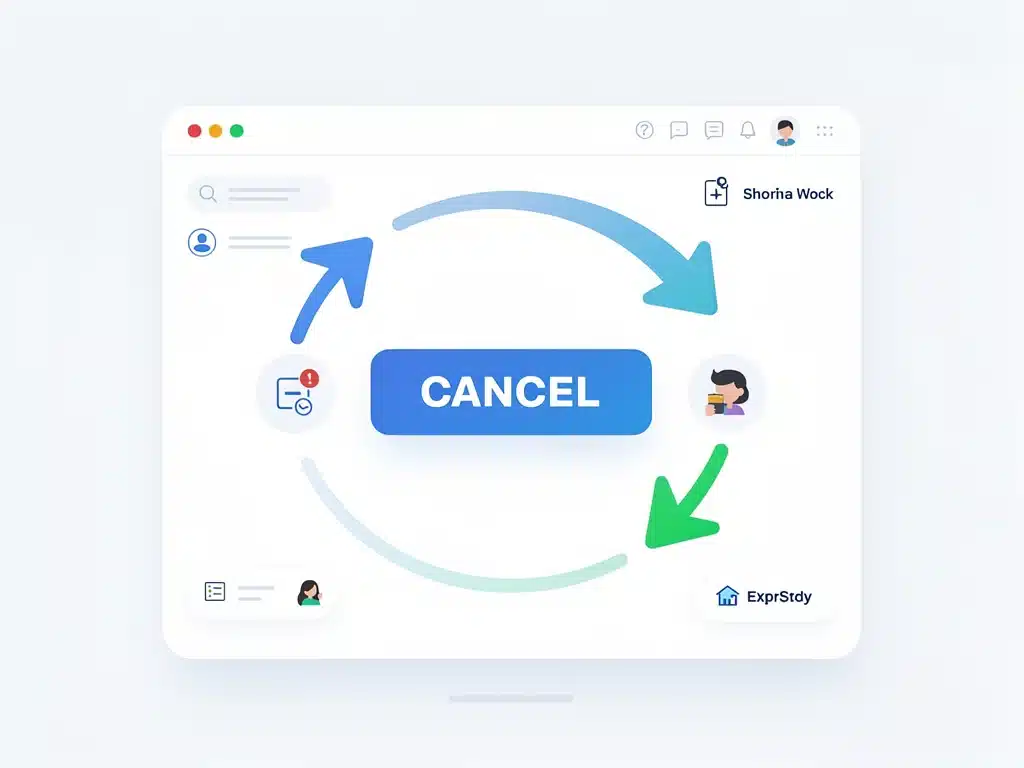
The FTC 1-Click Mandate is poised to reshape the future of the subscription economy, pushing it towards greater transparency, consumer-centric design, and ethical business practices.
While this rule specifically addresses cancellation, its broader implications extend to how businesses acquire, retain, and interact with subscribers. This foundational shift will likely foster a more competitive and trustworthy market.
In a post-mandate world, companies can no longer rely on friction to retain customers. Instead, success will increasingly hinge on delivering exceptional value, personalized experiences, and continuous innovation.
This could lead to a more dynamic marketplace where subscription services are constantly striving to justify their recurring charges, directly benefiting consumers. The FTC 1-Click Mandate acts as a catalyst.
The ripple effect of this regulation may also influence other aspects of consumer protection, potentially inspiring similar mandates in different sectors or geographies.
As digital transactions become ubiquitous, the principles of ease, transparency, and consumer control championed by the FTC 1-Click Mandate could become standard expectations across the board. This sets a significant precedent.
Innovation and Customer-Centric Models
The pressure to retain customers through value, rather than obstacles, will likely spur innovation in how subscription services are designed and delivered.
Expect to see more flexible subscription tiers, enhanced personalization, and proactive communication about service benefits. This competitive environment, fostered by the FTC 1-Click Mandate, ultimately serves the consumer.
Businesses that embrace the spirit of the FTC 1-Click Mandate, rather than just the letter of the law, will likely build stronger, more loyal customer bases.
By demonstrating respect for consumer autonomy, companies can cultivate trust, which is a far more sustainable foundation for long-term growth than relying on ‘dark patterns’ or difficult exits. This cultural shift is profound.
This mandate could also lead to a re-evaluation of pricing strategies and introductory offers.
If cancellations are easy, businesses might become more conservative with deeply discounted introductory periods, or conversely, design more compelling long-term value propositions to encourage retention. The FTC 1-Click Mandate introduces a new dynamic to pricing models.
The emphasis on easy cancellation could also lead to a greater focus on user feedback and continuous improvement. Companies will need to be highly attuned to why customers are canceling and use that data to refine their offerings.
This iterative process, driven by consumer choice, will enhance the overall quality and relevance of subscription services, a direct impact of the FTC 1-Click Mandate.
Moreover, the mandate might encourage the development of third-party tools or platforms that help consumers manage all their subscriptions from a single dashboard, further simplifying the process.
Such innovations could arise as a direct market response to the demand for greater control and transparency, pushing the subscription economy towards a more integrated and user-friendly future, spurred by the FTC 1-Click Mandate.
Enforcement and Penalties for Non-Compliance
The FTC 1-Click Mandate comes with significant enforcement power, and businesses found in non-compliance face substantial penalties.
The Federal Trade Commission is known for its rigorous enforcement actions, and this new rule is expected to be no exception. Companies must understand that failing to adapt to the new standards by 2026 could result in severe financial and reputational consequences.
Penalties for violations can include monetary fines, injunctions requiring changes to business practices, and consumer redress.
The FTC has the authority to seek civil penalties of tens of thousands of dollars per violation, which can quickly accumulate for widespread non-compliance. This makes the FTC 1-Click Mandate a high-stakes regulation for businesses.
Beyond direct financial penalties, non-compliance can also lead to significant damage to a brand’s reputation. In today’s interconnected world, negative press and consumer backlash regarding deceptive practices can spread rapidly, eroding trust and impacting customer acquisition.
Adherence to the FTC 1-Click Mandate is therefore crucial for maintaining public confidence.
Legal Ramifications and Reputational Risks
Businesses that fail to implement the 1-Click cancellation feature adequately risk not only FTC enforcement but also potential class-action lawsuits from consumers.
Legal challenges can be costly, time-consuming, and further exacerbate reputational damage, underscoring the importance of proactive compliance with the FTC 1-Click Mandate.
The FTC’s enforcement actions often involve public announcements, which can serve as a deterrent to other companies and inform consumers about deceptive practices.
These public disclosures can have a lasting negative impact on a company’s market standing and consumer perception. The stakes for adhering to the FTC 1-Click Mandate are therefore very high.
To mitigate these risks, businesses should prioritize legal review of their updated cancellation processes, ensuring they meet both the letter and the spirit of the FTC 1-Click Mandate.
Establishing clear internal compliance protocols and regular audits will be essential for demonstrating good faith efforts and avoiding costly penalties. The investment in compliance now can prevent much larger problems later.
| Key Aspect | Brief Description |
|---|---|
| Mandate Goal | Simplify online subscription cancellations to prevent deceptive practices. |
| Consumer Impact | 80 million consumers to gain easier cancellation access by 2026. |
| Business Requirements | Must provide a cancellation path as easy as subscription enrollment. |
| Enforcement | Non-compliance can lead to significant fines and legal actions. |
Frequently Asked Questions About the FTC 1-Click Mandate
The primary goal of the FTC 1-Click Mandate is to make online subscription cancellations as easy as signing up. It aims to eliminate deceptive practices and ‘dark patterns’ that make it difficult for consumers to stop recurring charges, thereby enhancing consumer control and transparency in the subscription economy.
The FTC 1-Click Mandate is slated to take full effect by 2026. This gives businesses a crucial period to adjust their systems and processes to comply with the new regulation. Consumers can expect to see the full benefits of simplified cancellations by this date.
An estimated 80 million consumers are expected to be directly impacted by the FTC 1-Click Mandate. This includes anyone who subscribes to services online, from streaming platforms and software to news outlets and various digital memberships, ensuring broader protection for a vast user base.
Any business offering online subscription services must comply with the FTC 1-Click Mandate. This covers a wide range of industries, compelling them to revise their cancellation procedures to ensure they are as straightforward and accessible as their sign-up processes, impacting digital and physical goods with recurring charges.
Businesses that fail to comply with the FTC 1-Click Mandate face significant penalties, including substantial monetary fines, injunctions, and consumer redress. The FTC is known for its stringent enforcement, making proactive compliance essential to avoid legal and financial repercussions, alongside potential reputational damage in the market.
Impact and Implications
The FTC 1-Click Mandate represents a pivotal moment for consumer rights and the subscription economy. It underscores a growing regulatory commitment to transparency and fairness in digital transactions, forcing businesses to prioritize customer satisfaction over retention through friction.
This rule sets a new precedent, likely influencing future consumer protection efforts and fostering a more trustworthy digital marketplace where consumer autonomy is genuinely respected. The changes by 2026 will be significant.