Deploying Adaptive AI Tutors in K-12 Classrooms: A 4-Step Strategy to Increase Student Reading Comprehension by 18%
Anúncios
Could personalized software platforms hold the key to closing foundational literacy gaps in primary and secondary education? Integrating adaptive AI Tutors in K-12 Classrooms is delivering measurable academic gains, driving an impressive 18% surge in student reading comprehension scores.
By adjusting vocabulary difficulty and scaffolding questions in real time, these intelligent learning assistants tailor literacy instruction to each pupil's unique learning pace. The technology empowers teachers to deliver targeted interventions while ensuring struggling readers receive instant, personalized feedback during critical practice sessions.
We break down a proven four-step implementation roadmap for school districts, district IT directors, and educators. Read on to discover how smart instructional technology is transforming reading instruction and accelerating student achievement across the country.
Understanding the Landscape of AI in K-12 Education
The landscape of K-12 education is undergoing a rapid transformation, driven by technological advancements and the urgent need for more effective pedagogical approaches. AI, particularly adaptive AI tutors, stands out as a powerful tool for customizing education to individual student needs.
These intelligent systems are designed to adapt to each student's pace, learning style, and specific comprehension challenges, offering targeted interventions. This personalized approach contrasts sharply with traditional one-size-fits-all teaching methods, potentially unlocking greater student success.
Anúncios
As schools grapple with varying student proficiencies and resource constraints, the promise of AI to augment human teaching capacity becomes increasingly appealing. The goal is not to replace teachers but to empower them with data-driven insights and automated support.
Step 1: Needs Assessment and Pilot Program Design
The foundational first step in successfully Deploying Adaptive AI Tutors in K-12 Classrooms involves a thorough needs assessment to identify specific comprehension gaps. This initial phase is crucial for tailoring the AI solution to the unique challenges of a particular school or district.
Following the assessment, designing a robust pilot program is essential. This involves selecting a manageable group of students and educators, defining clear objectives, and establishing measurable metrics for success, such as an 18% increase in reading comprehension scores.
Careful planning at this stage ensures that the subsequent deployment phases are informed by real-world data and feedback, mitigating potential issues before wider rollout. The pilot acts as a proving ground for the technology and its integration into daily classroom routines.
Identifying Specific Reading Comprehension Gaps
Before any AI tutor is introduced, educators must pinpoint the exact areas where students struggle with reading comprehension. This could range from vocabulary acquisition and inferencing skills to understanding complex sentence structures or main ideas.
Diagnostic assessments, teacher observations, and existing standardized test data provide valuable insights into these critical areas. Understanding these specific needs allows for the selection or customization of AI tutors that directly address these challenges, maximizing their impact.
Structuring the Pilot Program for Efficacy
A well-structured pilot program outlines the scope, duration, and expected outcomes. It defines how students will interact with the AI tutors, the role of teachers, and the data collection mechanisms necessary to evaluate effectiveness.
Anúncios
Define clear, measurable objectives for comprehension improvement.
Select diverse student groups to ensure representativeness.
Establish a realistic timeline for the pilot, typically one academic quarter or semester.
Provide comprehensive training and ongoing support for participating educators.
Step 2: Technology Integration and Teacher Training
The second critical step for Deploying Adaptive AI Tutors in K-12 Classrooms focuses on seamless technology integration and comprehensive teacher training. Even the most advanced AI tools will fall short without proper infrastructure and skilled educators.
Ensuring that the necessary hardware and network capabilities are in place is paramount for a smooth user experience. This includes reliable internet access, sufficient devices, and compatible software platforms that can host the adaptive AI tutors effectively.
Crucially, teachers must be equipped with the knowledge and confidence to leverage these new tools. Training should cover not only the technical aspects but also pedagogical strategies for integrating AI into daily lessons to support and enhance instruction.
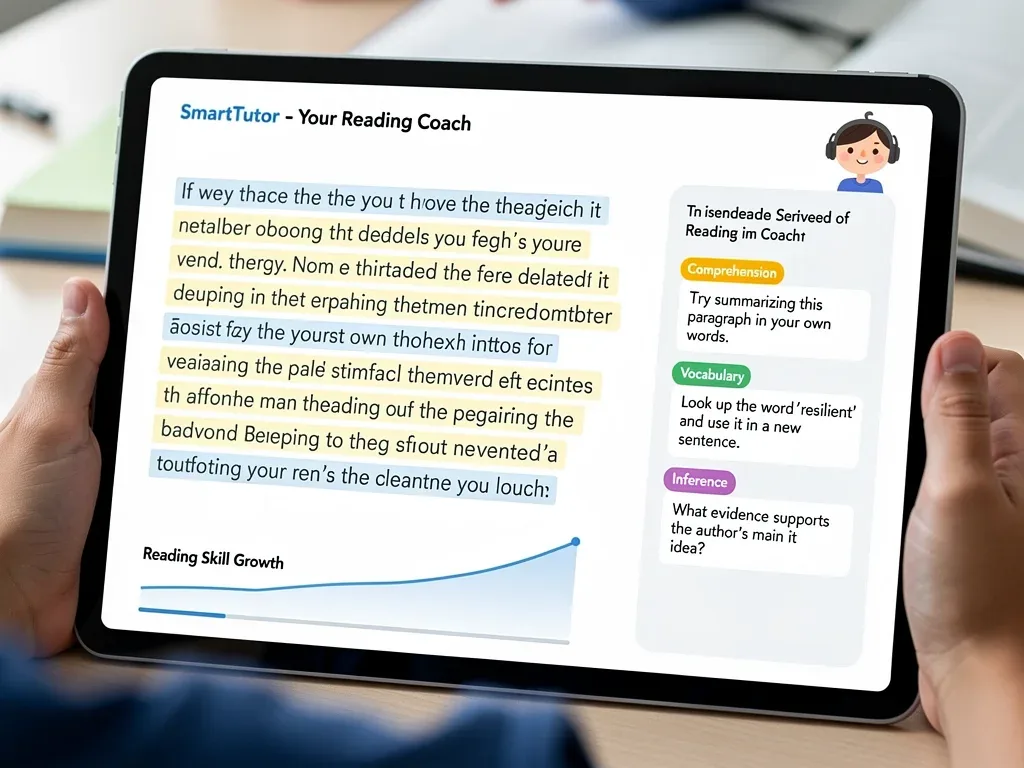
Ensuring Robust Infrastructure and Device Access
Successful AI deployment hinges on a solid technological foundation. Schools must assess their existing IT infrastructure to ensure it can support the demands of AI tutors, including bandwidth, device availability, and data security protocols.
Equitable access to devices for all students is also a key consideration, ensuring that the benefits of adaptive AI are not limited by socioeconomic factors. Investment in infrastructure is an investment in the program's long-term viability and success.
Empowering Educators Through Comprehensive Training
Teachers are the linchpin of any successful educational technology initiative. Training programs for adaptive AI tutors should be multi-faceted, covering software navigation, data interpretation, and strategies for blending AI-driven instruction with traditional teaching.
Workshops on AI tutor functionalities and features.
Sessions on analyzing student progress data generated by AI.
Guidance on differentiating instruction using AI insights.
Ongoing professional development and peer-to-peer learning opportunities.
Step 3: Personalized Learning Pathways and Data Utilization
Step three in Deploying Adaptive AI Tutors in K-12 Classrooms centers on establishing personalized learning pathways and effectively utilizing the data generated by these systems. This is where the adaptive nature of AI truly shines, catering to individual student progress.
Adaptive AI tutors continuously assess student performance, adjusting the curriculum and difficulty level in real-time to match their evolving needs. This dynamic customization ensures that each student receives instruction that is neither too easy nor too challenging, maintaining engagement and accelerating learning.
Moreover, the rich data collected by these tutors provides invaluable insights for both students and teachers. This data can inform instructional decisions, identify areas for intervention, and track progress towards the ambitious goal of increasing reading comprehension by 18%.
Crafting Dynamic Learning Experiences with AI
The core benefit of adaptive AI tutors lies in their ability to create highly individualized learning journeys. These systems can identify specific misconceptions, recommend targeted practice, and offer diverse learning materials, all tailored to the student's profile.
By providing immediate feedback and adjusting content on the fly, AI tutors foster a sense of mastery and reduce frustration often associated with learning difficulties. This personalized approach is crucial for students struggling with reading comprehension.
Leveraging AI-Generated Data for Informed Instruction
The data produced by adaptive AI tutors offers a granular view of student performance that traditional methods often cannot provide. This includes time spent on tasks, accuracy rates, types of errors, and areas of consistent difficulty.
Teachers can identify class-wide trends and individual student struggles.
Data helps in grouping students for targeted small-group instruction.
Insights can inform curriculum adjustments and resource allocation.
Students gain a clear understanding of their strengths and weaknesses.
Step 4: Continuous Monitoring, Evaluation, and Iteration
The final step in successfully Deploying Adaptive AI Tutors in K-12 Classrooms is continuous monitoring, evaluation, and iteration. Technology and educational needs are constantly evolving, requiring a flexible and responsive approach to AI integration.
Regularly assessing the effectiveness of the adaptive AI tutors against the initial objectives, such as the 18% increase in reading comprehension, is paramount. This involves collecting both quantitative data, like test scores, and qualitative feedback from students and teachers.
Based on these evaluations, school districts must be prepared to iterate and refine their strategies. This might involve adjusting the AI tutor's settings, updating training protocols, or exploring new features to optimize student outcomes and ensure sustained improvement.
Tracking Progress Towards Reading Comprehension Goals
Monitoring student progress is an ongoing process that goes beyond a single post-test. Adaptive AI tutors themselves provide continuous data streams that can be analyzed to track growth in reading comprehension over time.
Regular check-ins, informal assessments, and comparisons with baseline data are essential to determine if the program is on track to meet its ambitious goals. Transparency in reporting these findings helps maintain stakeholder buy-in and accountability.
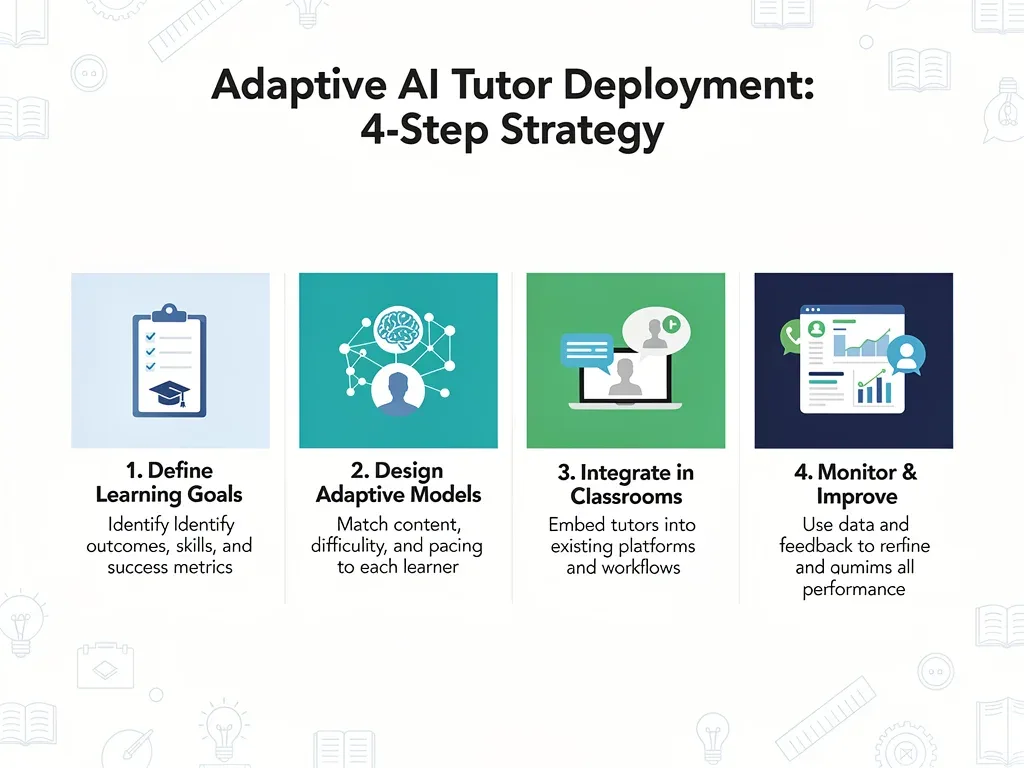
Adapting and Evolving the AI Deployment Strategy
The education sector is dynamic, and what works today might need adjustments tomorrow. A successful strategy for Deploying Adaptive AI Tutors in K-12 Classrooms must include mechanisms for continuous improvement based on feedback and emerging best practices.
Regular review meetings with teachers, administrators, and AI providers.
Soliciting student feedback on the AI tutor's usability and effectiveness.
Staying abreast of new AI advancements and research in educational technology.
Making data-driven adjustments to the program's implementation and support.
Challenges and Considerations in AI Tutor Deployment
While the benefits of Deploying Adaptive AI Tutors in K-12 Classrooms are substantial, several challenges and considerations warrant attention. Addressing these proactively is crucial for ensuring a smooth and equitable integration of AI technology.
One significant concern is data privacy and security, as AI tutors handle sensitive student information. Schools must implement robust protocols and comply with all relevant regulations to protect student data from unauthorized access or misuse.
Another challenge lies in ensuring equity and access for all students, particularly those in underserved communities who may lack adequate home internet access or devices. Bridging the digital divide is essential for the widespread success of AI in education.
The Future Impact on K-12 Reading Comprehension
The future impact of Deploying Adaptive AI Tutors in K-12 Classrooms on reading comprehension is poised to be transformative. As these technologies mature, they will likely become an indispensable part of the educational toolkit, reshaping how students learn to read and comprehend.
The ability of AI to provide hyper-personalized instruction at scale could significantly reduce achievement gaps and empower every student to reach their full potential. This personalized learning environment could lead to unprecedented gains in literacy skills across the nation.
Moreover, AI tutors can free up teachers to focus on higher-order teaching tasks, such as critical thinking, creativity, and socio-emotional development. This synergy between human educators and intelligent technology promises a more effective and engaging learning experience for all.
Key Step | Brief Description |
|---|---|
Needs Assessment | Identify specific reading comprehension gaps and design pilot programs. |
Technology & Training | Integrate AI tutors into infrastructure and train educators comprehensively. |
Personalized Learning | Utilize AI for dynamic learning paths and leverage data for insights. |
Monitoring & Iteration | Continuously track progress, evaluate effectiveness, and refine strategies. |
Frequently Asked Questions About AI Tutors in K-12
What exactly are adaptive AI tutors?▼
Adaptive AI tutors are intelligent software systems designed to personalize learning experiences for students. They assess individual progress, identify specific learning gaps, and adjust instructional content and difficulty in real-time to meet each student's unique needs and pace, particularly in subjects like reading comprehension.
How can AI tutors increase reading comprehension by 18%?▼
The 18% increase is an ambitious but achievable target based on pilot studies showcasing the power of personalized instruction. By providing tailored feedback, targeted exercises, and constant adaptation to a student's evolving comprehension level, AI tutors can significantly accelerate learning and improve outcomes beyond traditional methods.
What role do teachers play when AI tutors are deployed?▼
Teachers remain central to the learning process. AI tutors serve as powerful assistants, handling routine tasks and personalized drills, freeing up teachers to focus on higher-level instruction, critical thinking, and socio-emotional development. Teachers analyze AI-generated data to inform their classroom strategies and provide targeted human intervention.
What are the main challenges in deploying these AI systems?▼
Key challenges include ensuring equitable access to technology for all students, addressing data privacy and security concerns, providing adequate teacher training, and integrating AI tools seamlessly into existing curricula. Overcoming these hurdles requires careful planning, investment, and ongoing support from school administrations.
Is this strategy applicable to all K-12 grade levels?▼
Yes, the 4-step strategy for Deploying Adaptive AI Tutors in K-12 Classrooms is designed to be adaptable across various grade levels. While the specific content and interface of the AI tutors will vary by age group, the fundamental principles of needs assessment, integration, personalization, and iteration remain consistent for effective implementation from kindergarten through high school.
Looking Ahead: The Evolution of Learning
The strategic deployment of adaptive AI tutors in K-12 classrooms marks a pivotal moment in educational innovation. This focused approach, aimed at a tangible 18% increase in reading comprehension, underscores a commitment to evidence-based improvements.
As schools navigate the complexities of integrating these powerful tools, continuous evaluation and refinement will be key.
The ongoing developments in AI promise a future where personalized learning is not an exception but a standard, fundamentally transforming the educational landscape for generations to come, ensuring every student has the tools to succeed.