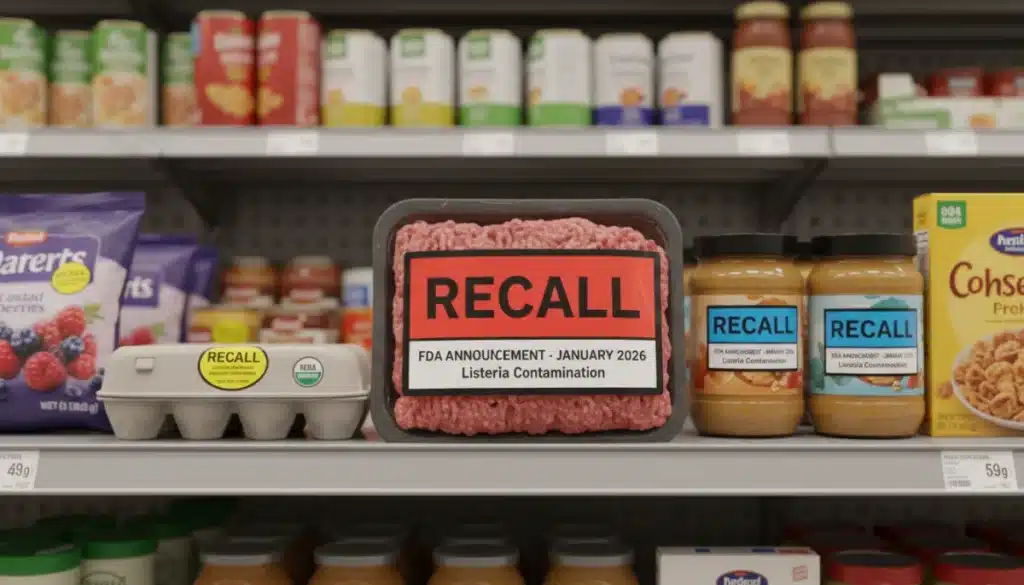
FDA Food Recalls 2026: What Consumers Need to Know
Anúncios
Imagine opening your fridge to prepare a meal, unaware that the food inside could pose a hidden danger. As grocery safety takes center stage this year, staying informed about the latest FDA food recalls is your first line of defense against contaminated products.
The federal agency recently flagged five major product withdrawals that demand immediate consumer attention. These urgent safety alerts span nationwide distributions, raising serious flags about potential contamination and health hazards lurking in everyday shopping carts.
Anúncios
While health officials and manufacturers work to contain the risks, knowing which items are affected is vital. Here is everything you need to know about these critical market interventions and how to protect your household right now.
Understanding the Scope of the FDA Food Recalls
The FDA’s announcements highlight a proactive measure to safeguard public health, emphasizing the importance of vigilance among consumers. These recalls are not isolated incidents but rather part of ongoing efforts to maintain strict food safety standards across the United States.
Anúncios
Consumers are urged to immediately identify if they possess any of the recalled products and take appropriate action. The scale of these nationwide and regional recalls necessitates widespread awareness to prevent potential foodborne illness or severe adverse allergic reactions.
This comprehensive overview provides essential information on key active recalls, detailing the specific products, reasons for the market withdrawals, and the critical steps consumers must take. Staying informed is paramount to protecting your health and that of your family.
Identifying Affected Products and Brands
The first step for any consumer is to accurately identify the products involved in recent safety alerts. This involves checking specific product names, UPC codes, lot numbers, and expiration dates.
Specific brand names and product descriptions have been provided by the FDA to aid in this identification process. Consumers should cross-reference these details with items currently in their pantries, refrigerators, or supplement cabinets.
-
Recall 1: Live it Up Super Greens Powder (Original & Wild Berry), UPC: 860013190804 / 850077468063
-
Recall 2: Primavera Tamales (Select 4-Count Varieties), Primavera Nueva Inc.
-
Recall 3: Spring & Mulberry Chocolate Bars (Multiple Flavors), Lot Numbers: #025255, #025258, #025275 (and others)
The FDA’s official website remains the primary source for the most up-to-date information regarding these recalls. Regular checks of this resource can provide reassurance or prompt necessary action.
Reasons Behind the Recalls: Health Risks Explained
Each recall stems from distinct issues that could compromise consumer health. These reasons range from unlisted allergens to potential bacterial contamination by dangerous pathogens.
Understanding the specific health risks associated with each recalled product is crucial for consumers to assess their exposure. Some risks may be mild, while others could lead to severe, life-threatening health complications.
For instance, undeclared allergens pose a significant threat to individuals with severe food allergies, potentially causing anaphylaxis.
Bacterial contamination, such as Salmonella or Listeria monocytogenes, can lead to serious gastrointestinal illnesses, especially in vulnerable populations like children, the elderly, pregnant women, or those with compromised immune systems.
The FDA emphasizes that even if a product appears, smells, or tastes normal, the inherent risk necessitates its immediate removal from consumption. The potential for harm outweighs any perceived safety based on appearance.
Recall Details: A Closer Look at Each Product
The FDA has meticulously detailed recent recalls, ensuring consumers have precise information. This section breaks down individual market actions for clarity and immediate comprehension.
These details are crucial for consumers to take informed action, whether it’s discarding the product safely or returning it to the point of purchase. Prompt action is key to mitigating any potential health risks.
Recall 1: Dietary Supplement Powder (Bacterial Contamination)
The first major recall involves Live it Up Super Greens dietary supplement powder (including Original and Wild Berry flavors), due to a multi-state outbreak of Salmonella Typhimurium linked to contaminated moringa leaf powder.
This product was widely distributed nationwide via online sales and mail orders.
Symptoms of Salmonella exposure include fever, diarrhea (which may be bloody), nausea, vomiting, and abdominal pain. Consumers experiencing these symptoms after consuming the product should seek medical attention immediately.
The manufacturer, Superfoods, Inc. (dba Live it Up), cooperated with the FDA and CDC to expand the recall nationwide. Consumers can contact the company directly for return and refund instructions.
Recall 2: Prepared Foods (Pathogen Risk)
The second recall pertains to select 4-Count Tamales manufactured by Primavera Nueva Inc., which were flagged for potential contamination by Listeria monocytogenes.
This regional recall affects specific lots distributed in California and Nevada, including seasonal flavors like Roasted Pumpkin & White Cheddar.
Listeria can cause serious and sometimes fatal infections in young children, frail or elderly people, and others with weakened immune systems. Pregnant women are at exceptionally high risk, as the infection can cause miscarriages and stillbirths.
Consumers who have purchased these tamales should not consume them under any circumstances. Instead, they should discard the product immediately or contact Primavera Nueva Inc. at (707) 939-9350 for further information.
Recall 3: Confections & Snacks (Salmonella Risk)
The third recall concerns Spring & Mulberry Chocolate Bars (including flavors like Mint Leaf, Earl Grey, Mango Chili, and Mixed Berry), due to potential Salmonella contamination. The issue was identified and subsequently expanded to cover multiple lots distributed nationwide.
Ingesting Salmonella bacteria can lead to severe hospitalization rates, particularly when linked to raw ingredient processing failures. While no confirmed illnesses were initially reported for this specific chocolate line, the potential for harm necessitated a total voluntary recall.
The FDA advises consumers to check the back of their chocolate packaging for affected lot numbers. Recalled items should be disposed of, and a refund can be requested by emailing a photo of the lot code to [email protected].
Recall 4: Bakery and Pantry Items (Undeclared Allergens)
The fourth major category of recent recalls affects various pantry items, such as Outside the Breadbox Bread Crumbs, which were found to contain undeclared egg and milk allergens. This type of mislabeling is critical for individuals with severe food hypersensitivity.
Symptoms of an allergic reaction to dairy or eggs can range from mild hives and swelling to severe respiratory distress and anaphylactic shock. Immediate emergency medical attention is vital if a severe reaction occurs.
The company initiated a voluntary recall to remove all affected units from retail shelves. Consumers with wheat, milk, or egg allergies who purchased these products should return them to the place of purchase for a full refund.
Recall 5: Infant and Children’s Snacks (Physical Contamination)
The fifth recall focus highlights physical safety hazards, such as the voluntary recall of certain Gerber Arrowroot Biscuits due to the potential presence of soft plastic and/or paper pieces inside the packaging.
Ingesting foreign materials can lead to choking hazards or mechanical injuries to the mouth, throat, and digestive tract, presenting a unique risk to infants and toddlers.
Parents and caregivers are advised to check their pantries for this product, stop using it immediately, and contact Gerber’s customer service channels for replacement vouchers or a full refund.
What Consumers Need to Do Now: Immediate Actions
Given the urgency of recent FDA food safety alerts, immediate action is paramount for those who may have purchased these products.
The FDA and involved manufacturers have provided clear guidelines on the steps consumers should take. Following these instructions precisely will help mitigate any potential health risks to your household.
It is crucial not to consume any product identified in the recalls, even if it appears to be fine. The risks are inherent and cannot be detected by sight or smell.
Checking Your Pantry and Refrigerator
The first and most critical step is to thoroughly check your home for any of the recalled items. This includes examining product labels, UPC barcodes, and expiration dates.
Take the time to review every relevant food product, comparing it against the detailed recall listings provided by the FDA. Do not overlook items stored long-term in the freezer or the back of the pantry that might be forgotten.
If you identify any matching products, isolate them immediately to prevent accidental consumption by children or other family members.
Disposing of or Returning Recalled Products
Once identified, recalled products should either be discarded safely or returned to the place of purchase. Most US retailers will offer a full refund, even without a receipt, for verified recalled items.
When discarding, ensure the product is placed in a sealed bag and rendered unusable before throwing it away to prevent pets or wildlife from consuming it.
Contacting the manufacturer directly via their dedicated consumer hotlines or emails (such as those provided in the FDA notice) can provide further guidance on their specific return or digital refund policies.
Monitoring for Symptoms and Seeking Medical Advice
If you or a family member has consumed any of the recalled products, it is vital to monitor for potential symptoms over the next several days. Be aware of the specific health risks—like gastrointestinal distress for bacteria or hives for allergens.
Should any symptoms arise, seek immediate medical attention and inform your healthcare provider about the exact product consumed. Providing this information can drastically speed up proper diagnosis and treatment.
Even if no symptoms appear immediately, being aware of the potential risks allows for informed decisions regarding your family’s health.
The FDA’s Role in Food Safety and Recalls
The FDA plays a critical role in ensuring the safety of the food supply in the United States. Their consumer alerts and enforcement tracking are central to this public health mission.
The agency continuously monitors food production, investigates multi-state outbreaks of foodborne illness alongside the CDC, and issues public recalls when necessary. This comprehensive approach aims to protect consumers from unsafe or mislabeled products.
Recalls are most often initiated by manufacturers voluntarily after internal testing or federal routine sampling uncovers a problem. The FDA provides strict oversight and can mandate recalls or issue public health warnings if a company fails to act swiftly.
How Recalls Are Initiated and Managed
Food recalls can be initiated for various reasons, including the discovery of pathogens (Salmonella, Listeria, E. coli), undeclared allergens, or foreign materials (glass, plastic, metal). The process typically begins when either a company’s internal quality control or FDA automated testing identifies a defect.
Once a potential hazard is identified, the FDA works with the company to assess the tier of risk (Class I, II, or III) and determine the appropriate scope of the recall. This includes tracking supply chain distribution channels to see which states received the goods.
The management of a recall involves public notification, immediate removal of products from retail sale, and downstream verification to ensure the recall has been effective. The FDA oversees these steps to guarantee maximum consumer safety.
Preventive Measures and Future Outlook
Beyond responding to current issues, the FDA continuously works on preventive strategies under modern food safety modernization guidelines.
This includes developing stricter facility regulations, conducting unannounced inspections, and educating the manufacturing industry.
Technological advancements in whole-genome sequencing (WGS) and supply chain tracking are playing an increasing role in preventing massive future recalls.
These innovations allow federal agencies to link isolated foodborne illnesses to a single manufacturing plant much faster than in previous decades.
Consumers can also contribute to food safety by practicing safe food handling at home, registering for direct FDA email alerts, and reporting suspected foodborne illnesses to local health departments. Collective effort remains the key to a safer food supply.
Impact on the Food Industry and Consumer Trust
Major product recalls inevitably have significant repercussions for the food industry. Manufacturers face immediate financial losses, supply chain disruptions, severe reputational damage, and heightened regulatory scrutiny.
These recalls serve as a stark reminder of the complexities involved in modern food production and nationwide distribution, highlighting the constant need for stringent, automated quality control. Companies must learn from process failures to prevent future cross-contamination.
Consumer trust is a fragile commodity, and major safety alerts can erode it quickly. Rebuilding this trust requires total transparency, immediate corporate accountability, and a demonstrated, visible commitment to consumer safety.
Manufacturer Responsibilities and Accountability
Food manufacturers bear the primary legal and ethical responsibility for ensuring the safety of their products before they hit retail shelves. This includes implementing robust allergen control plans and adhering to all federal pathogen testing guidelines.
When a recall occurs, manufacturers are expected to cooperate fully with the FDA, promptly remove products from the market, and communicate transparently with the public without downplaying the risks.
Failure to do so can result in severe legal penalties, injunctions, or facility closures.
Accountability extends to understanding the root cause of the problem, whether it was a contaminated raw ingredient from a supplier or a failure in facility sanitation—and implementing permanent corrective actions.
Rebuilding Consumer Confidence After Recalls
Restoring consumer confidence after a major recall is a challenging but essential task for any brand. It often involves clear, empathetic communication, demonstrating enhanced testing measures, and consistent, long-term quality assurance.
Companies may engage in public transparency campaigns, offer direct compensation or refunds, and provide open channels for consumer feedback. Showing exactly how a facility was cleaned or how a labeling process was fixed can help heal the relationship with the public.
Ultimately, a sustained, proven commitment to product safety and consumer well-being is the only effective way for the food industry to recover from recalls and maintain a positive, trusted relationship with its customers.
| Key Point | Brief Description |
|---|---|
| Five Major Recalls | FDA announced 5 significant food recalls for January 2026, impacting various products. |
| Consumer Action | Check products at home, dispose safely or return for refund, monitor for symptoms. |
| Health Risks | Risks include undeclared allergens, bacterial contamination (Listeria, Salmonella), and foreign materials. |
| FDA Oversight | FDA ensures food safety through monitoring, investigations, and managing recall processes. |
Frequently Asked Questions About FDA Food Recalls
This alert refers to a critical announcement from the U.S. Food and Drug Administration regarding five distinct food products being recalled from the market in January 2026. These recalls are initiated due to various safety concerns that could pose health risks to consumers across the United States, prompting immediate consumer awareness and action.
To identify recalled products, consumers should carefully check product names, brand names, UPC codes, and specific lot or batch numbers provided in the FDA’s official recall notices. These details are usually found on the product packaging. Always compare this information against the comprehensive list published on the FDA’s website or reliable news sources.
The health risks vary depending on the specific recall but generally include severe allergic reactions due to undeclared allergens (like peanuts or milk), and foodborne illnesses caused by bacterial contamination such as Salmonella or Listeria monocytogenes. Some recalls may also involve physical hazards like foreign material contamination, such as glass shards.
If you possess a product identified in the FDA Food Recalls January 2026, do not consume it. Immediately dispose of the product in a sealed container to prevent others from accessing it, or return it to the place of purchase for a full refund. It is also advisable to monitor for any symptoms if you or a family member has already consumed the product.
The most accurate and current information on the FDA Food Recalls January 2026 can be found on the official website of the U.S. Food and Drug Administration (FDA). Regularly visiting their recalls and safety alerts section will provide the latest updates, detailed product information, and guidance for consumers regarding these critical health notices.
What this means
FDA Announces 5 Major Food Recalls underscores the critical importance of food safety vigilance. This situation highlights the continuous efforts of regulatory bodies to protect public health and the ongoing challenges faced by the food industry.
Consumers must remain proactive in checking product information and heeding official warnings. The implications extend beyond immediate risks, influencing consumer purchasing habits and reinforcing the need for transparent communication from manufacturers.
Staying informed through reliable sources like ReallyOur.com will be key as these developments unfold, affecting food choices and safety standards.